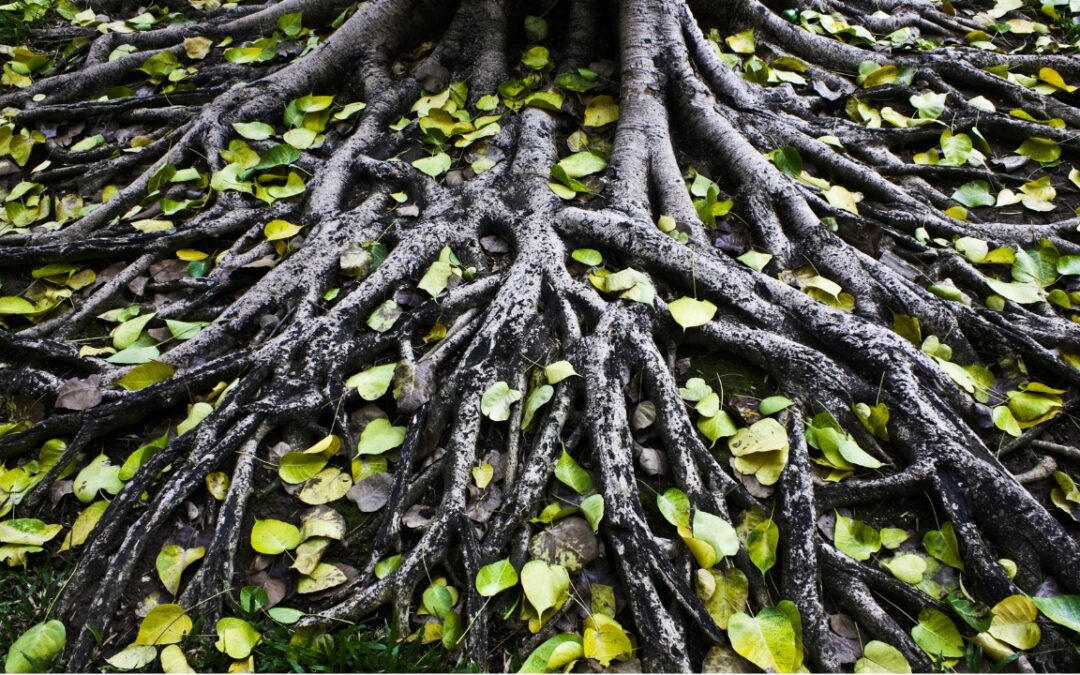
Tree roots invading drain lines are a common yet frustrating problem for homeowners. As trees and shrubs search for water and nutrients, their roots can find their way into tiny cracks and joints in your sewer lines, causing blockages, leaks, and even pipe collapses. Left unchecked, these root intrusions can lead to significant property damage and costly repairs.
However, with the right knowledge and proactive measures, you can handle and prevent root intrusion in your drain lines. In this article, we’ll provide pro tips on how to identify, manage, and prevent roots from invading your drain system.
Understanding How Tree Roots Enter Your Drain Lines
Tree roots are naturally drawn to water sources, and your sewer or drain lines often provide the perfect environment due to the moisture and nutrients they contain. If there’s even a small crack, joint, or seam in your pipes, roots can infiltrate them in search of water.
Over time, as roots grow larger, they can obstruct the flow of water in the pipes, causing slow drains or complete blockages.
The Most Common Signs of Root Intrusion
One of the distinctly stealthy and even insidious aspects of root intrusion is that you cannot see it taking place. In fact, the expansion of root growth inside of pipes can take place for years before it becomes noticeable.
Depending on factors like the tree type, soil conditions, and the severity of any pipe cracks, it can take anywhere from a few months to several years for tree roots to intrude into a drain pipe. However, in some cases noticeable root intrusion can occur in as little as 30 days.
Here are some of the most common signs of root intrusion:
- Slow-draining sinks, tubs, or toilets: Water might not drain as quickly due to roots partially blocking the pipe.
- Gurgling sounds in the plumbing: This often indicates that air is trapped in the pipes due to a blockage.
- Sewage backups: In extreme cases, roots can cause a complete blockage, leading to backups in your home’s plumbing.
- Wet patches in your yard: If roots have caused a significant break in the line, you might notice water pooling in areas of your yard, even when it hasn’t rained.
Pro Tips for Handling Roots in Your Drain Lines
Handling roots in your drain lines requires both immediate action and long-term solutions. Fortunately, there are actions that homeowners can take before calling in professionals.
DIY Root Treatments
According to Forbes magazine,
“Rock salt can pull the moisture from the roots and eventually kill them. Rock salt is available at most home improvement stores, and using it is very easy. Simply pour half a pound of rock salt down the toilet, flushing as many times as it takes for all the rock salt to flush away.”
Another effective DIY approach for combat root intrusion is by using chemical root treatments. These treatments typically involve pouring a foaming or liquid herbicide down the affected drain lines. The chemicals kill the roots and inhibit their regrowth, preventing future blockages.
Foaming root killers are often more effective than liquids because they can expand to fill the entire pipe, reaching roots on all sides. Additionally, chemical treatments are safe for your plumbing when used correctly, though it’s crucial to follow the manufacturer’s instructions to avoid damaging the pipes.
An Oklahoma State University agricultural sciences report notes that you can restore flow and prevent future stoppage by using copper sulfate. The report states that,
“Copper sulfate will kill not only roots growing in the sewer line but also the organisms which produce offensive odors. Copper sulfate will require several days to several weeks to work, although spectacular results are sometimes obtained when a rapid breakdown of the organisms within the root mass is achieved, and flow is quickly restored.”
It’s important to note that chemical root treatments are a temporary solution and may need to be applied annually to maintain their effectiveness.

Calling In the Pros
In most cases, root intrusion is best handles by sewer and drain experts. Here are some expert tips to help you work with a professional service to manage the issue effectively.
1. Regular Inspection and Maintenance
The best way to prevent root intrusion is through regular inspection of your sewer lines. Professional plumbers use specialized equipment, like sewer cameras, to inspect your pipes from the inside. These inspections can reveal early signs of root invasion, such as small cracks or minor root growth, allowing you to address the issue before it becomes a major problem.
Routine inspections can save you money in the long run by detecting small issues early and avoiding costly emergency repairs. Experts recommend getting a sewer inspection every two to three years, especially if you have older pipes or live in an area with large trees near your sewer lines.
2. Mechanical Removal with Rooter Machines
If you already have roots in your drain lines, one of the most effective ways to remove them is by using a mechanical rooter machine. A rooter is a specialized tool with rotating blades that cut through roots, clearing the blockage from your pipes.
Professional plumbers can use high-powered rooter machines to remove thick and stubborn root masses. This method is highly effective for restoring proper drainage flow and is often a first step before considering more advanced solutions. However, while mechanical removal can get rid of the immediate problem, it doesn’t prevent the roots from growing back, so it’s important to pair this method with preventive measures.
3. Hydro Jetting
Hydro jetting is a more advanced solution for dealing with root intrusion. This method involves using a high-pressure stream of water to blast away roots and other debris that may be clogging your sewer lines. Hydro jetting not only removes the immediate blockage but also cleans the interior of your pipes, reducing the likelihood of future root invasions.
While hydro jetting is highly effective, it’s best performed by professional plumbers who have the expertise and equipment to safely handle the high-pressure water. It’s also important to ensure that your pipes are in good condition before opting for hydro jetting, as the high pressure could damage older or weakened pipes.
4. Trenchless Sewer Repair
If roots have caused significant damage to your sewer lines, trenchless sewer repair is an excellent solution. This method allows for pipe repair or replacement without the need for extensive digging and disruption to your property.
There are two main types of trenchless sewer repair:
- Pipe Lining: A new pipe is created inside the old one using a resin-coated liner that hardens into a durable, root-resistant barrier.
- Pipe Bursting: The old pipe is broken apart as a new pipe is pulled through its place.
Both methods are minimally invasive, and they provide long-lasting protection against future root intrusion. Trenchless sewer repair is a more expensive option but can save you money on property restoration and future repairs.
5. Replace Old Pipes with Root-Resistant Materials
Older sewer lines, particularly those made of clay or cast iron, are more susceptible to root intrusion due to their porous surfaces and weaker joints. If your home has older pipes, it might be worth investing in a full or partial replacement with modern, root-resistant materials like PVC or HDPE (high-density polyethylene).
These newer materials are more resistant to cracking and have fewer joints where roots can penetrate. While replacing pipes is a significant investment, it provides long-term protection and can increase the value of your property.

Homeowner Tips for Preventing Future Root Intrusion
Once you’ve dealt with roots in your drain lines, it’s crucial to take preventive measures to avoid future problems. Here are some pro tips to keep your sewer lines clear and root-free:
-
Choose Your Trees Wisely
If you’re landscaping or planting trees on your property, be mindful of where you plant them in relation to your sewer lines. Fast-growing trees with aggressive root systems, like willows and maples, should be planted far away from your sewer lines. Opt for slower-growing trees with less invasive root systems, and always consult a professional to determine the best placement.
-
Install Root Barriers
Root barriers are physical barriers installed around sewer lines to prevent roots from reaching them. These barriers can be made of plastic, metal, or fabric and are typically installed during landscaping or pipe replacement. While root barriers won’t stop roots from growing entirely, they can significantly reduce the risk of root intrusion by redirecting roots away from your pipes.
-
Regular Chemical Maintenance
As mentioned earlier, chemical root killers can be used as a preventive measure even if you don’t currently have a root problem. Annual applications of these chemicals can help keep your sewer lines clear and reduce the risk of future root intrusions.
Stop Root Intrusion Before It Stops Your Drain Lines
Roots in your drain lines can be a serious problem, but with the right approach, you can effectively manage and prevent them. From regular inspections and mechanical removal to advanced solutions like hydro jetting and trenchless repair, there are many ways to handle root intrusion and protect your sewer system. By staying proactive and investing in the right solutions, you can keep your plumbing system in top shape and avoid costly repairs in the future.
At NW Sewer and Drain, we offer expert plumbing services to diagnose and resolve these issues efficiently. If you’re experiencing backups or other sewer problems, don’t hesitate to contact us. Our experienced team is ready to provide the solutions you need to keep your drainage system running smoothly.
Contact NW Sewer and Drain today to learn more about our services and how we can help you address your plumbing issues.
Frequently Asked Questions
1. How do tree roots invade drain lines?
Let’s not pretend tree roots need a grand opening. Tree roots in drain lines start with a hairline crack in aging clay or cast iron pipes. Roots chase moisture like it’s their job — because it is. They can detect water from surprisingly far away, slip inside weak joints, then expand, triggering stubborn sewer line blockages.
2. What are the early warning signs of tree root intrusion in sewer pipes?
Think your plumbing is “just slow”? Maybe. Or maybe it’s tree root intrusion tightening its grip. Slow drains, recurring clogs, gurgling toilets — those aren’t random. Soggy lawn patches above your sewer line? Even louder clue. Nearly 80% of sewer backups in older homes trace back to root damage. Coincidence? Not likely.
3. How long does it take for tree roots to block a drain line?
You’d love a neat timeline, right? The truth: it depends. Aggressive roots and cracked sewer pipes can create serious blockages within one growing season — sometimes faster. In damp Northwest soil, root intrusion in sewer lines can escalate in weeks, not years. Once roots get access, they don’t procrastinate.
4. What damage can tree roots cause to drain lines?
Here’s the blunt version: tree roots in drain lines don’t politely clog — they destroy. They widen cracks, shift pipe joints, and can collapse sections entirely. The result? Sewage backups, flooded yards, and costly sewer line repair. Homeowners nationwide spend over $1 billion yearly fixing root-related pipe damage. That’s not pocket change.
5. Can tree roots be permanently removed from drain lines?
Clearing roots and solving the problem aren’t the same thing. Hydro jetting and mechanical cutting remove existing roots, sure. But unless you repair the damaged sewer pipe, they’ll return. Permanent fixes include trenchless sewer repair or replacing old lines with PVC. At NW Sewer, we focus on stopping repeat intrusions.
6. What is the most effective way to prevent tree roots from invading pipes?
Want to avoid a sewer disaster? Start with routine sewer camera inspections. Early detection stops root intrusion before it turns into excavation. Annual root control treatments and upgrading to modern PVC sewer pipes dramatically reduce risk. Preventive sewer maintenance may sound boring — but emergency sewer replacement is worse.

7. Is chemical root treatment safe for pipes?
Used correctly, chemical root treatments like foaming root killers are safe for structurally sound sewer lines. They target organic growth inside the pipe without harming PVC. But dumping chemicals into fragile clay pipes? Risky. That’s why a professional sewer inspection matters before starting root control treatments.
8. How often should you inspect your sewer lines for root intrusion?
If your property has mature trees or aging underground plumbing, waiting five years is wishful thinking. Most homes benefit from a sewer line inspection every two to three years. In high-risk areas, annual sewer camera inspections catch root intrusion early — before it becomes a trenchless sewer repair project.
9. Can tree roots cause permanent damage to your plumbing system?
Yes — and not the minor kind. Untreated tree root intrusion can crack, offset, or collapse your sewer line entirely. That means sewage backing into your home, soil contamination, and expensive pipe replacement. Left alone, roots don’t stabilize — they expand. Permanent plumbing damage isn’t dramatic. It’s predictable.
10. Can hydro jetting remove tree roots from drain pipes?
Yes, hydro jetting for tree roots is highly effective. High-pressure water scours pipe walls, clearing roots and debris thoroughly. But here’s the reality: blasting water into fragile, deteriorated pipes without regular inspection is a gamble. That’s why NW Sewer always recommends a sewer camera inspection before hydro jetting services.
{
“@context”: “https://schema.org”,
“@type”: “FAQPage”,
“mainEntity”: [
{
“@type”: “Question”,
“name”: “How do tree roots invade drain lines?”,
“acceptedAnswer”: {
“@type”: “Answer”,
“text”: “Let’s not pretend tree roots need a grand opening. Tree roots in drain lines start with a hairline crack in aging clay or cast iron pipes. Roots chase moisture like it’s their job — because it is. They can detect water from surprisingly far away, slip inside weak joints, then expand, triggering stubborn sewer line blockages.”
}
},
{
“@type”: “Question”,
“name”: “What are the early warning signs of tree root intrusion in sewer pipes?”,
“acceptedAnswer”: {
“@type”: “Answer”,
“text”: “Think your plumbing is “just slow”? Maybe. Or maybe it’s tree root intrusion tightening its grip. Slow drains, recurring clogs, gurgling toilets — those aren’t random. Soggy lawn patches above your sewer line? Even louder clue. Nearly 80% of sewer backups in older homes trace back to root damage. Coincidence? Not likely.”
}
},
{
“@type”: “Question”,
“name”: “How long does it take for tree roots to block a drain line?”,
“acceptedAnswer”: {
“@type”: “Answer”,
“text”: “You’d love a neat timeline, right? The truth: it depends. Aggressive roots and cracked sewer pipes can create serious blockages within one growing season — sometimes faster. In damp Northwest soil, root intrusion in sewer lines can escalate in weeks, not years. Once roots get access, they don’t procrastinate.”
}
},
{
“@type”: “Question”,
“name”: “What damage can tree roots cause to drain lines?”,
“acceptedAnswer”: {
“@type”: “Answer”,
“text”: “Here’s the blunt version: tree roots in drain lines don’t politely clog — they destroy. They widen cracks, shift pipe joints, and can collapse sections entirely. The result? Sewage backups, flooded yards, and costly sewer line repair. Homeowners nationwide spend over $1 billion yearly fixing root-related pipe damage. That’s not pocket change.”
}
},
{
“@type”: “Question”,
“name”: “Can tree roots be permanently removed from drain lines?”,
“acceptedAnswer”: {
“@type”: “Answer”,
“text”: “Clearing roots and solving the problem aren’t the same thing. Hydro jetting and mechanical cutting remove existing roots, sure. But unless you repair the damaged sewer pipe, they’ll return. Permanent fixes include trenchless sewer repair or replacing old lines with PVC. At NW Sewer, we focus on stopping repeat intrusions.”
}
},
{
“@type”: “Question”,
“name”: “What is the most effective way to prevent tree roots from invading pipes?”,
“acceptedAnswer”: {
“@type”: “Answer”,
“text”: “Want to avoid a sewer disaster? Start with routine sewer camera inspections. Early detection stops root intrusion before it turns into excavation. Annual root control treatments and upgrading to modern PVC sewer pipes dramatically reduce risk. Preventive sewer maintenance may sound boring — but emergency sewer replacement is worse.”
}
},
{
“@type”: “Question”,
“name”: “Is chemical root treatment safe for pipes?”,
“acceptedAnswer”: {
“@type”: “Answer”,
“text”: “Used correctly, chemical root treatments like foaming root killers are safe for structurally sound sewer lines. They target organic growth inside the pipe without harming PVC. But dumping chemicals into fragile clay pipes? Risky. That’s why a professional sewer inspection matters before starting root control treatments.”
}
},
{
“@type”: “Question”,
“name”: “How often should you inspect your sewer lines for root intrusion?”,
“acceptedAnswer”: {
“@type”: “Answer”,
“text”: “If your property has mature trees or aging underground plumbing, waiting five years is wishful thinking. Most homes benefit from a sewer line inspection every two to three years. In high-risk areas, annual sewer camera inspections catch root intrusion early — before it becomes a trenchless sewer repair project.”
}
},
{
“@type”: “Question”,
“name”: “Can tree roots cause permanent damage to your plumbing system?”,
“acceptedAnswer”: {
“@type”: “Answer”,
“text”: “Yes — and not the minor kind. Untreated tree root intrusion can crack, offset, or collapse your sewer line entirely. That means sewage backing into your home, soil contamination, and expensive pipe replacement. Left alone, roots don’t stabilize — they expand. Permanent plumbing damage isn’t dramatic. It’s predictable.”
}
},
{
“@type”: “Question”,
“name”: “Can hydro jetting remove tree roots from drain pipes?”,
“acceptedAnswer”: {
“@type”: “Answer”,
“text”: “Yes, hydro jetting for tree roots is highly effective. High-pressure water scours pipe walls, clearing roots and debris thoroughly. But here’s the reality: blasting water into fragile, deteriorated pipes without inspection is a gamble. That’s why NW Sewer always recommends a sewer camera inspection before hydro jetting services.”
}
}
]
}