If you’re renting in Seattle, your plumbing probably isn’t something you think about. That is, until the sink backs up, the shower turns into a wading pool, or the kitchen starts smelling like something’s living in the pipes.
In a rental, it’s easy to assume drain problems are “the landlord’s issue.” But clogs can still cost you time, stress, and sometimes money, especially if the cause is preventable. The good news: most backups come from a short list of everyday habits.

The Problem: Seattle Rentals + Everyday Drain Mistakes
Seattle homes and apartments deal with their share of plumbing challenges: older pipes in some neighborhoods, heavy rain, and the reality that lots of people share building drain lines. When one unit sends the wrong stuff into the system, it can trigger a chain reaction: slow drains, gurgling, foul odors, and full-on backups.
If you want fewer emergencies and fewer awkward texts to your property manager, start here. The plan: 12 things you should not put down the drain if you want to avoid Seattle drain problems.
1) Grease, Oil, And Fat
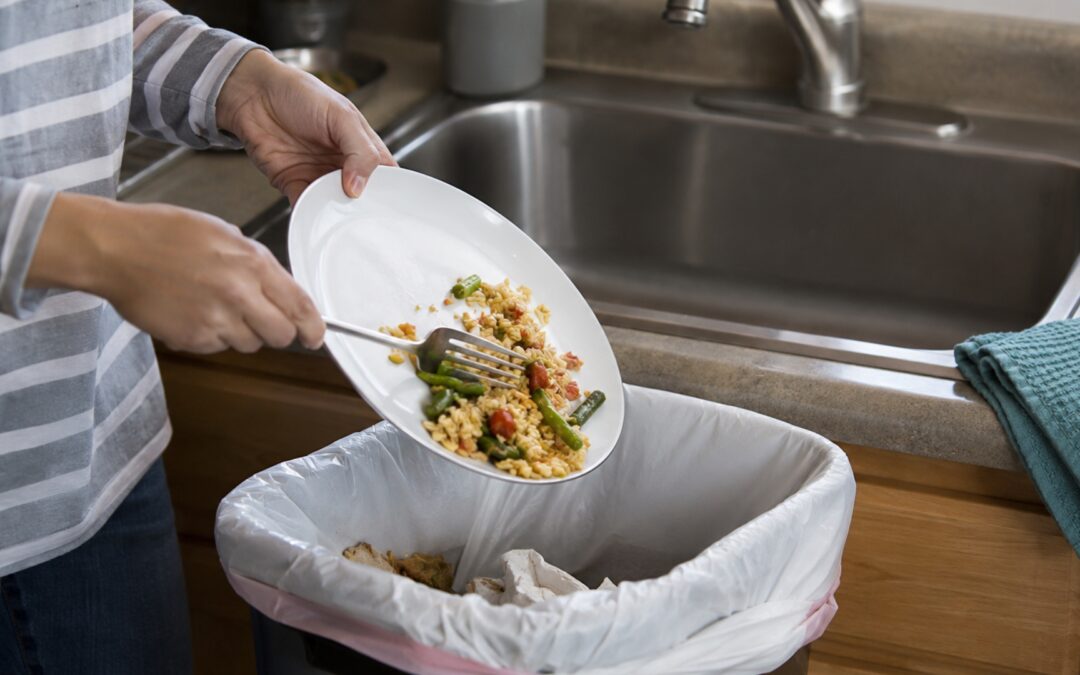
Hot grease looks harmless when it’s liquid. Then it cools, hardens, and clings to pipe walls, collecting food bits until you’ve got a serious clog.
Better move: Pour grease into a can or jar, let it solidify, and toss it in the trash.
2) “Flushable” Wipes (Even If They Say Flushable)
Wipes don’t break down like toilet paper. In shared building lines, they can snag, clump, and create major blockages.
Better move: Trash them, always.
3) Paper Towels and Napkins
These are designed to stay strong when wet. That’s great for cleaning counters and terrible for plumbing.
Better move: Trash.
4) Coffee Grounds
Coffee grounds don’t dissolve. They settle like sand, especially in older pipes, and build up over time.
Better move: Compost or trash.
5) Eggshells
Eggshells can act like gritty debris. They don’t magically grind into nothing; they can contribute to buildup.
Better move: Compost or trash.
6) Pasta, Rice, and Starchy Foods
Pasta and rice expand with water. Starches turn into gluey paste. Together, they’re a recipe for a slow drain that turns into a full clog.
Better move: Scrape plates into the trash before rinsing.
7) Flour and Dough
Flour + water = paste. Dough can clump and stick, especially in kitchen lines.
Better move: Wipe bowls with a paper towel (then trash it) before washing.
8) Bones, Fibrous Veggies, and “Tough” Scraps
Celery, corn husks, onion skins, and bones can jam disposals and create tangles that trap other debris.
Better move: Trash or compost what you can at home.
9) Hair
Hair wraps, mats, and then catches soap scum. In showers and bathroom sinks, it’s one of the most common causes of clogs.
Better move: Use a simple drain screen and clean it weekly or more often if necessary.
10) “Chemical Drain Cleaners” As A Habit
In a pinch, people reach for harsh chemicals. But repeated use can damage pipes, especially in older buildings, and it can make professional service more dangerous.
Better move: Try a plunger or a simple hand snake first. If the issue keeps coming back, it’s time for a pro.
11) Paint, Solvents, and Harsh Cleaners
These don’t belong in plumbing systems and can create issues beyond your unit.
Better move: Follow Seattle-area hazardous waste disposal guidelines.
12) Cat Litter (Even “Flushable” Types)
Litter clumps by design. That’s exactly what you don’t want in pipes.
Better move: Bag it and trash it.

How To Know You’re Heading Toward a Clog
In a rental, early warning signs matter. If you catch them early, you can often avoid a messy backup. Watch for:
- Slow draining sinks or tubs
- Gurgling sounds
- Foul odors
- Water backing up in another fixture (like the tub when you run the sink)
What To Do If Your Seattle Rental Drain Is Already Clogged
Here’s a renter-friendly plan:
- Stop running water (don’t “test it” repeatedly).
- Try a plunger on sinks/tubs (use the right style).
- Remove and clean the drain stopper if it’s a bathroom sink.
- Use a small hand snake for hair clogs.
- If multiple drains are affected, contact your property manager right away.
If the clog keeps returning, the real issue may be deeper in the line. That is where professional tools like hydro jetting or a sewer camera inspection can find and clear the cause.
You don’t need to be a plumber to protect your rental. You just need a simple set of habits:
- Trash grease, wipes, and food scraps
- Use drain screens
- Treat slow drains as a signal, not an inconvenience
That’s how you stay the hero of your own home. without the surprise of a late-night backup.
Need Help with A Stubborn Clog in Seattle? Contact N.W. Sewer & Drain
If you’re dealing with recurring backups, slow drains, or signs of a deeper sewer issue, it may be time for Seattle drain cleaning, a sewer video camera inspection, or trenchless pipe repair depending on what’s happening underground. For fast help, contact N.W. Sewer & Drain, your local sewer and drain specialist who can diagnose the cause and fix it the right way.